
Benchtop Lab Unit
Product Overview
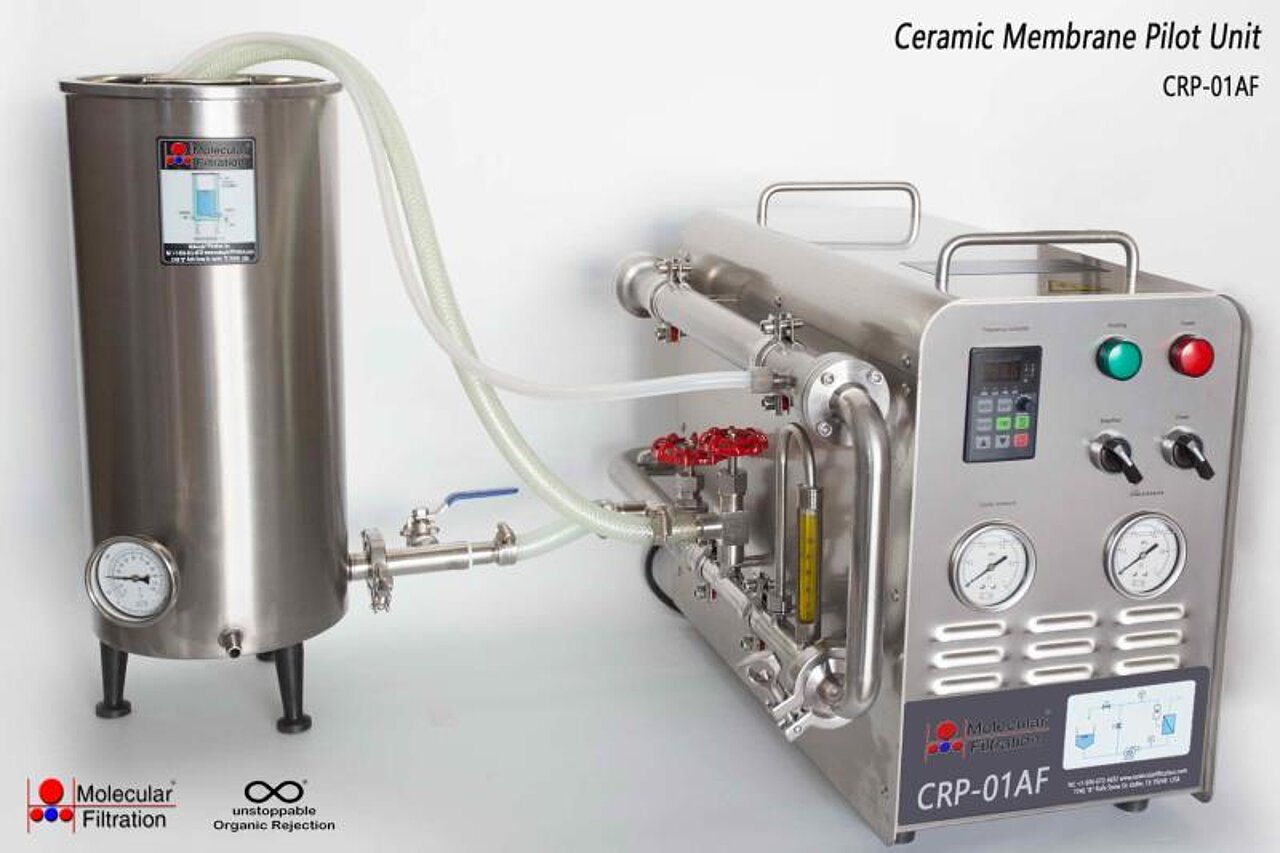
MFI Ceramic Membrane Table Top Pilot Unit can be used for cross flow membrane demonstration and liquid testing in small volume.
Universities, Research Institutes, Chemical, Petro-chemical, Pharmaceuticals, Biotechnology and other companies can use it as a useful tool to investigate and evaluate
membrane filtration process.
Membrane Testing - Different Configurations
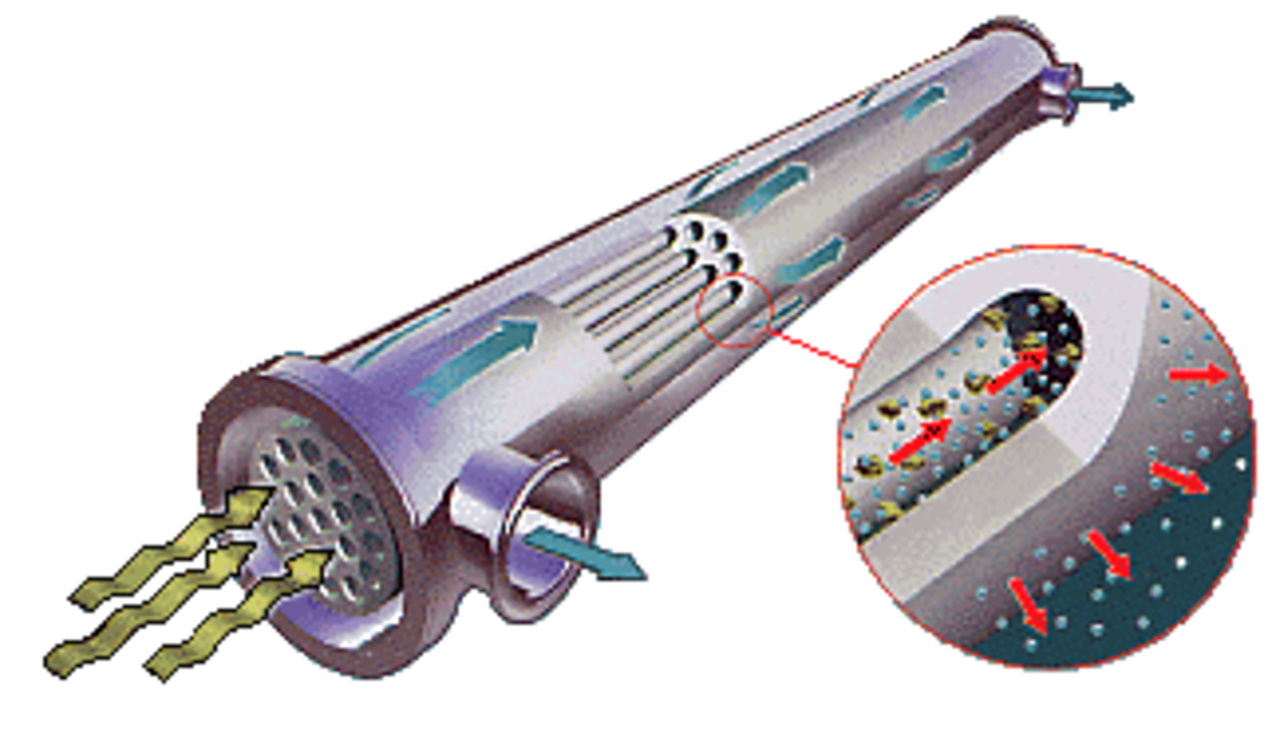
Our Benchtop Lab Unit is engineered to provide unmatched versatility for membrane testing. This feature allows researchers and engineers to evaluate a wide range of membrane configurations, ensuring optimal performance for specific applications. Key capabilities include:
- Channel Diameter Testing:
Test membranes with varying channel diameters to determine the most efficient flow dynamics for your process. The unit accommodates multiple channel sizes, making it adaptable for diverse operational needs. - Porosity Variations:
Evaluate membranes with different pore sizes to identify the best option for your filtration objectives. Whether your goal is precise particle separation, oil removal, or other specialized filtration, this unit ensures you can find the ideal porosity. - Array of Membrane Configurations:
From flat sheets to tubular and spiral wound membranes, the Benchtop Lab Unit supports a comprehensive array of configurations. This flexibility allows users to simulate industrial processes and scale up with confidence.
Why This Matters
By enabling comprehensive membrane testing, the Benchtop Lab Unit minimizes guesswork and accelerates decision-making for process optimization. Whether you're conducting research or validating a new design, this feature empowers you to achieve precision and efficiency.
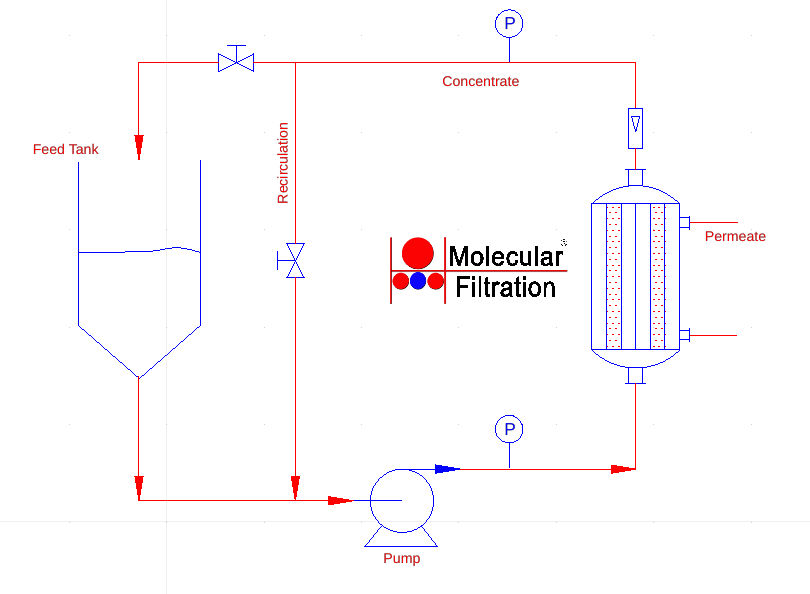
Process Flow Description:
- Feed Solution Input:
- The solution starts in the feed tank and is drawn by the pump.
- Circulation Through the Filtration Unit:
- The pump pushes the solution through the filtration unit, where membranes filter the liquid.
- Separation into Permeate and Retentate:
- Permeate exits as the clean, filtered liquid.
- Retentate can either be discharged or sent back to the feed tank for further processing.
- Monitoring and Control:
- The pressure gauges help maintain optimal operating conditions, preventing damage to the membranes.
Technical Specifications
| Machine Name: | Table Top Pilot Unit |
| Model: | CRP-01AF |
| Process Control: | Optimize - VFD control |
| Desktop Size: | 54 x 35 x 47 cm. |
| Membrane Model: | MFM3019 |
| Configuration: | 19 channels, 30 mm OD |
| Membrane Length: | 500 mm |
| Membrane Area: | ~0.05 – 0.10 m² (effective filtration area, depending on configuration) |
| Membrane Pore sizes: | 30 – 1200 nm |
| Operating Pressure: | 1.0 – 4.5 bar (15 – 65 psi) |
| Operating Temperature: | Ambient to 80°C (typical) |
| Crossflow Velocity: | 2 – 4 m/s (typical testing range) |
| Holding Tank Volume: | 2.0 L - Jacket Tank |
| Material of Construction: | Sanitary SS316 |
| Gross Weight: | 35 Kg. |
| Feed Type: | Designed for liquid streams containing dissolved organic compounds and emulsified oils; not intended for high suspended solids or sludge-type wastewater. |
Typical Applications
1. Research and Development (R&D)
- Evaluating and optimizing membrane performance for selective separation of dissolved organic compounds.
- Testing membrane geometry, pore size, and operating conditions under crossflow filtration.
- Developing scalable solutions for industrial liquid separation processes.
2. Process Validation
- Simulating real-world separation processes for oil-water emulsions and hydrocarbon-contaminated streams.
- Validating membrane compatibility with specific organic compounds and solvents.
- Assessing separation efficiency and membrane durability under controlled conditions.
3. Oil and Hydrocarbon Separation
- Selective separation of emulsified oils from aqueous streams.
- Removal of light hydrocarbons and aromatic compounds (BTX) from water.
- Treatment and polishing of produced water and fuel-contaminated streams.
4. Chemical and Petrochemical Processing
- Recovery and purification of organic compounds from process streams.
- Separation of non-polar components from mixed liquid systems.
- Optimization of filtration processes for chemical reuse and recycling.
5. Environmental and Industrial Applications
- Treatment of industrial wastewater containing dissolved non-polar organic compounds.
- Separation of oil and grease from process water.
- Support for remediation of hydrocarbon-contaminated water streams.
6. Academic and Educational Use
- Training in crossflow membrane systems and advanced separation techniques.
- Demonstrating polarity-based separation and organophobic membrane behavior.